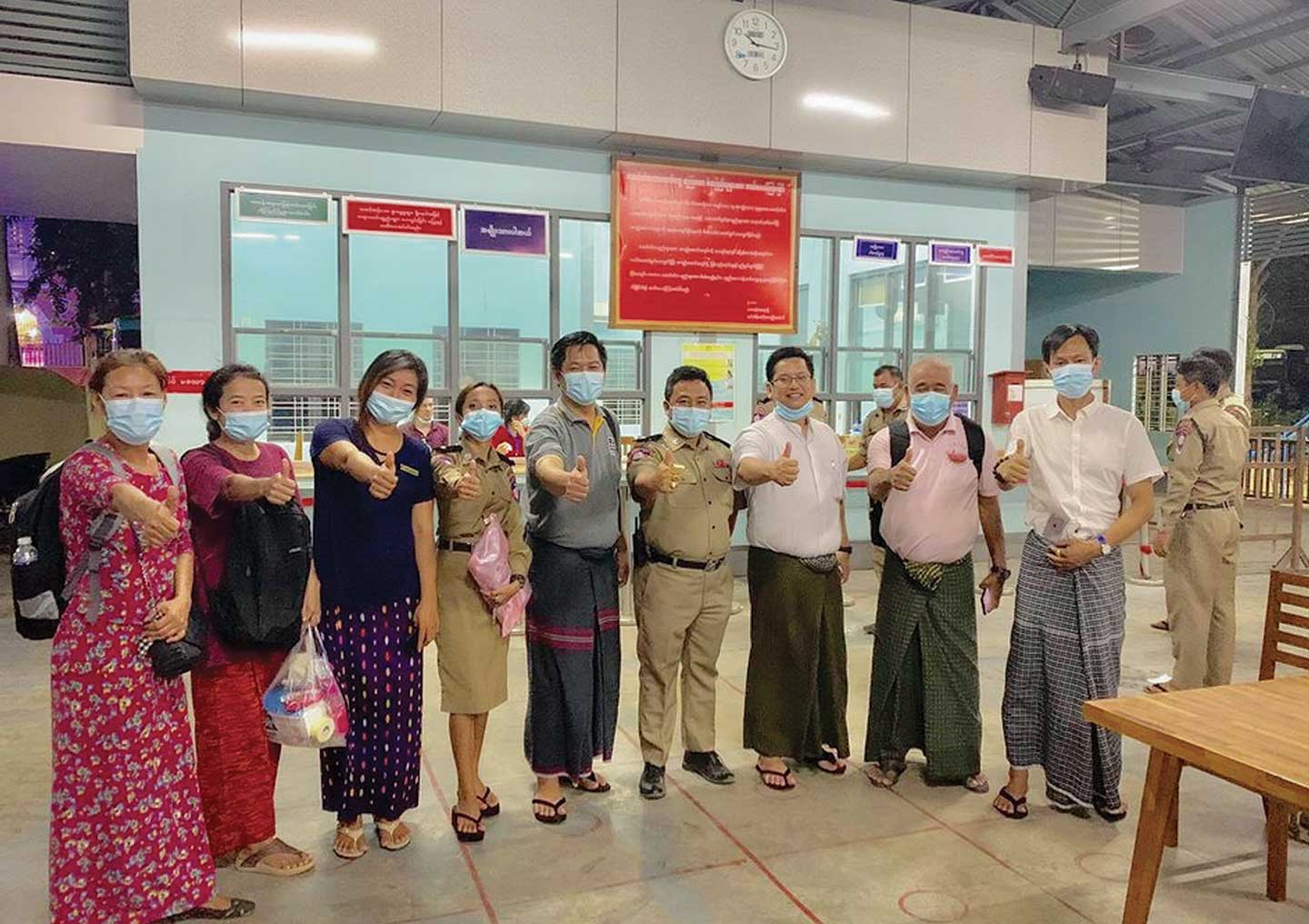
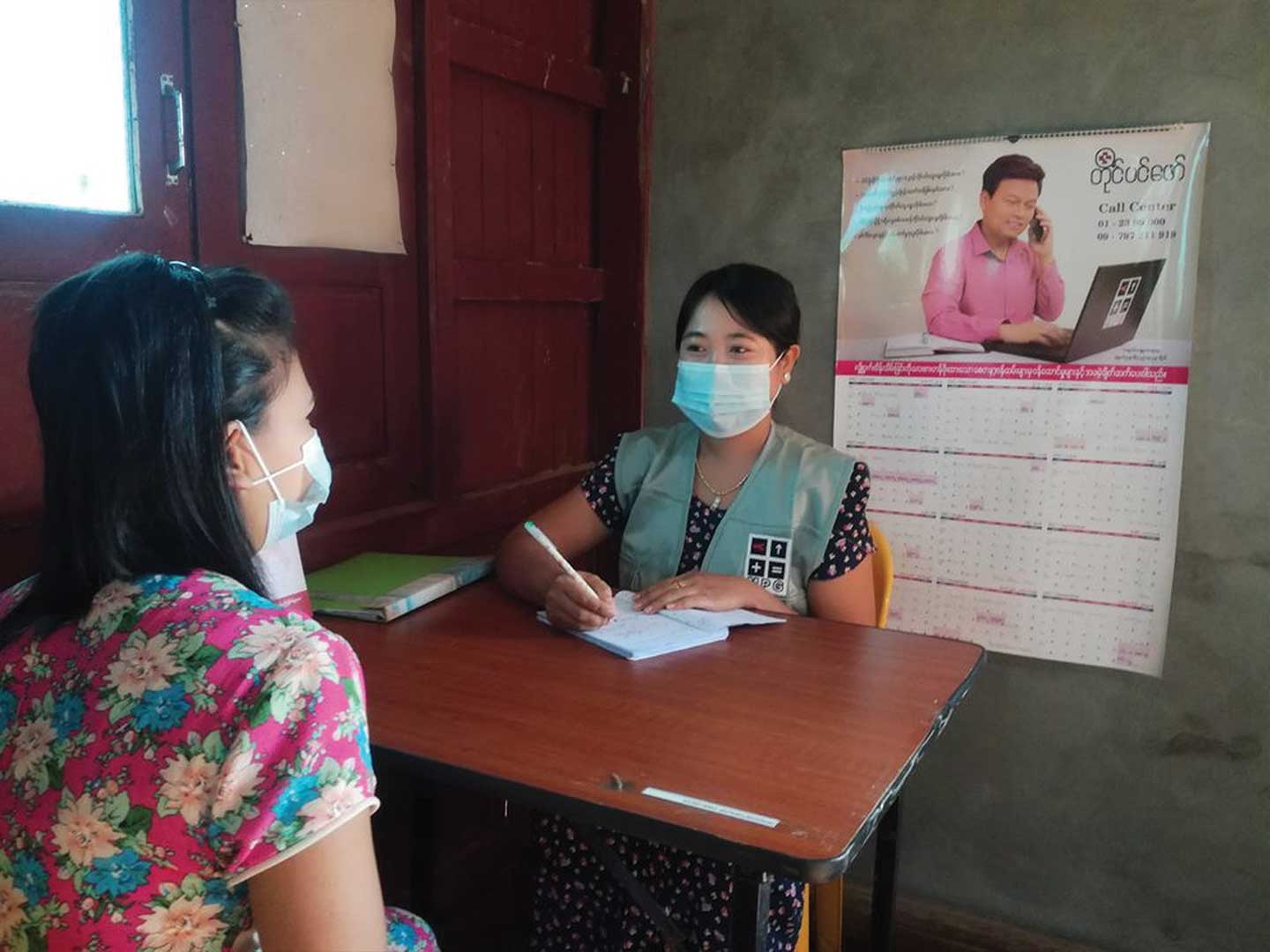
Since 2005, MPG has represented and served people living with HIV and key affected populations in Myanmar and has contributed to the national HIV response for over two decades. Over this period, MPG has built strong programmatic experience and community trust, demonstrating that rights‑based, community‑led care and support are essential to achieving sustained treatment outcomes. Today, MPG’s care and support services are delivered by more than 300 trained staff operating through 12 field offices nationwide, with coordination provided by the Secretariat and Head Office in Yangon.
In alignment with NSP V Pillar 2: Treatment, Care, and Service Integration, MPG focuses on strengthening the entire HIV treatment cascade—early linkage to care, timely antiretroviral therapy (ART) initiation, long‑term retention, and sustained viral load suppression. MPG plays a key community representative role in supporting national efforts to achieve the 95‑95‑95 targets, with particular emphasis on retaining people living with HIV on ART 12 months after initiation and ensuring high levels of viral suppression among those on treatment.
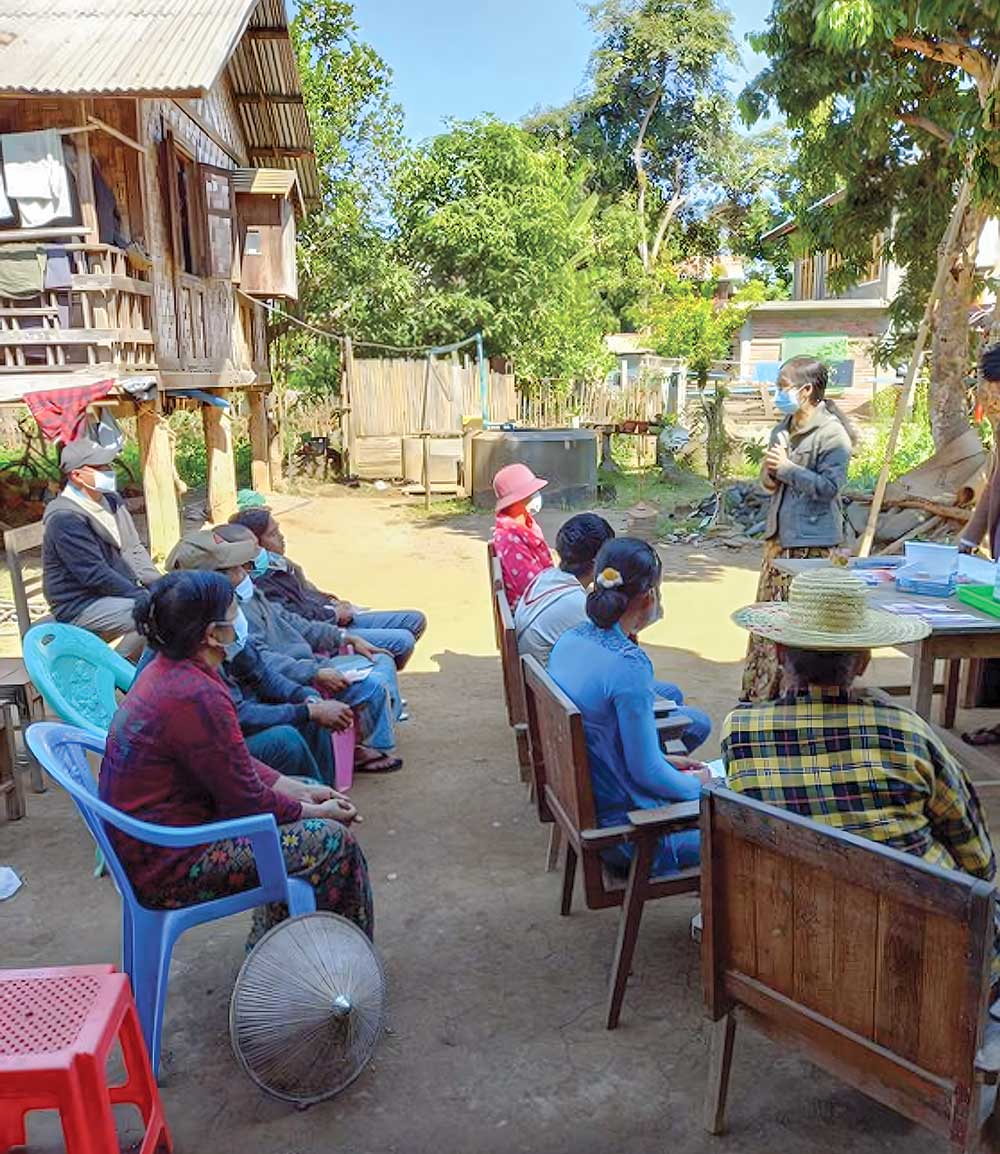
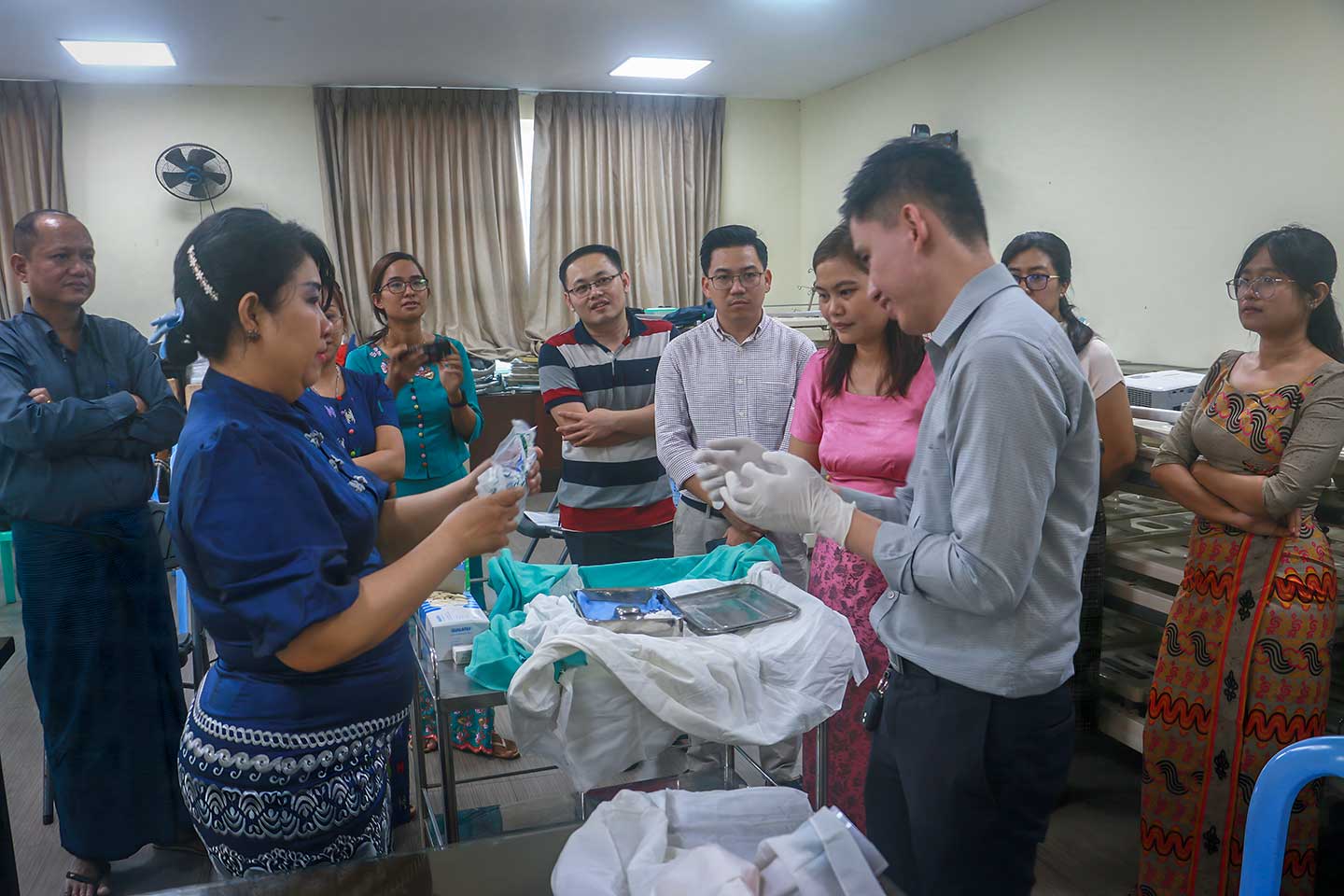
A central element of MPG’s approach is the expansion of differentiated service delivery and community‑based treatment support, implemented in close collaboration with National AIDS Program facilities. MPG strengthens the capacity of peer counselors from PLHIV networks, with particular emphasis on treatment literacy and adherence counseling, including for adolescents living with HIV. These peer‑led interventions are critical to addressing treatment interruption, improving continuity of care, and reducing loss to follow‑up, especially in contexts affected by mobility, humanitarian challenges, and service disruptions.
In line with NSP V priorities and national TB Strategic Plan milestones, MPG also aims to strengthen TB–HIV integration as a core component of care and support services. MPG supports the integration of routine TB screening, referral, and treatment support for people living with HIV, including linkage to tuberculosis preventive therapy and TB treatment services where indicated. Through community‑based follow‑up, peer navigation, and coordination with TB and HIV service providers, MPG contributes to reducing TB‑related morbidity and mortality among people living with HIV and supports national targets for TB case detection, treatment completion, and TB preventive coverage.
MPG’s peer teams work alongside public ART facilities to support rapid linkage, retention, and re‑engagement in care, while facilitating referral to integrated services such as TB screening and preventive therapy, viral hepatitis testing, mental health and psychosocial support, and social welfare assistance. This integrated, person‑centred approach directly supports NSP V’s emphasis on service integration across HIV, TB, hepatitis, and primary health care platforms, improving efficiency and health outcomes.
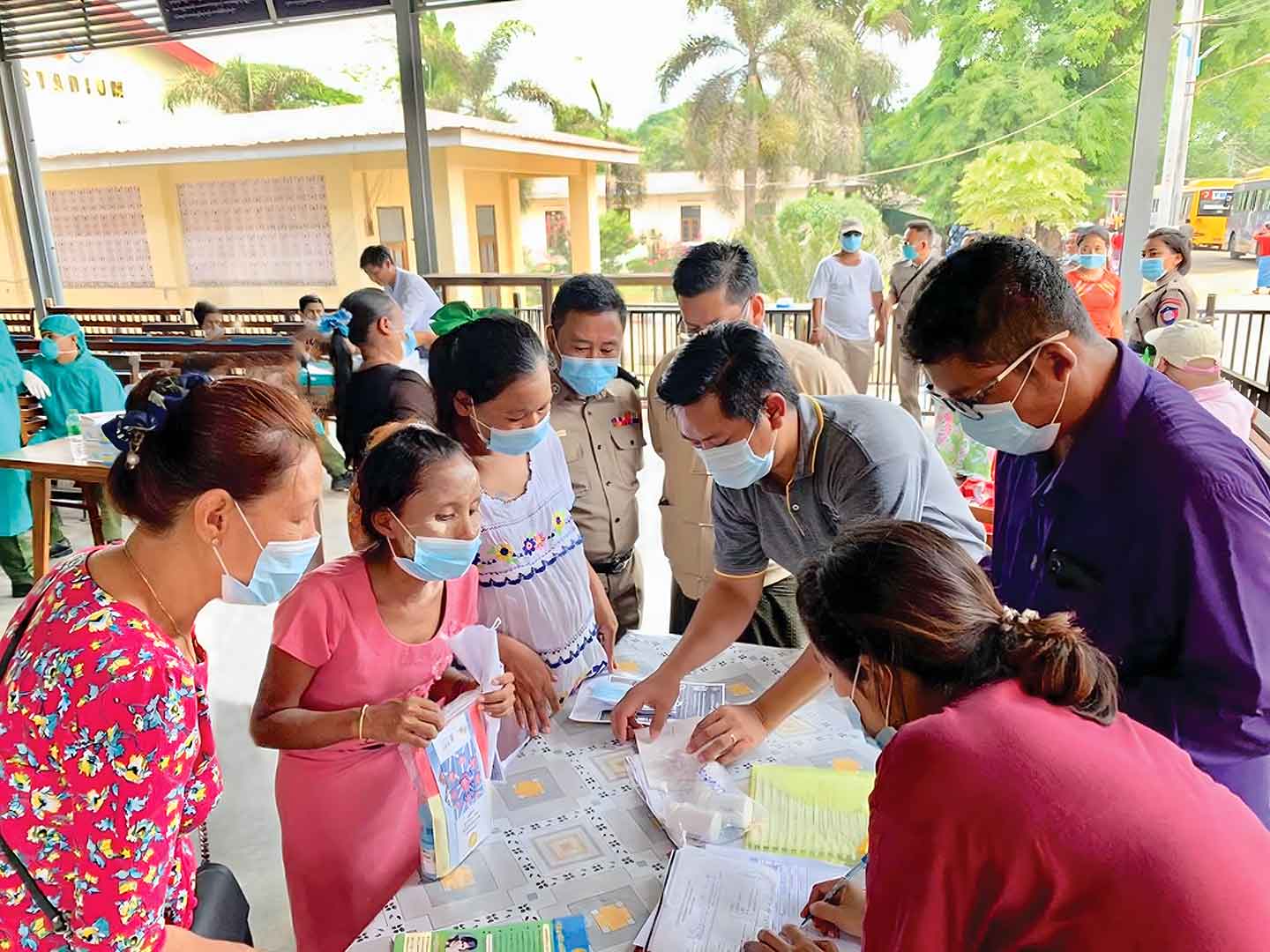
Across 110 townships, MPG provides comprehensive care and support services, including psychosocial counseling, adherence support, transportation assistance, hospitalization support, food packages, and funeral assistance. Through Global Fund–supported programs, MPG support can be accessed by more than 90 percent of people receiving ART at public ART facilities, reinforcing continuity of care and long‑term health outcomes for people living with HIV.
Through these interventions, MPG contributes directly to the NSP V vision of an integrated, resilient, and community‑centred treatment and care system, while advancing national HIV and TB goals to ensure that people living with HIV are supported to live healthy lives with dignity.